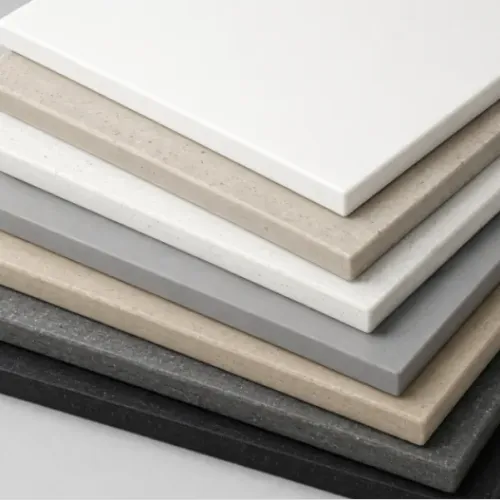

Acrylic solid surface is not a decorative laminate: it is a mineral-filled polymer sheet whose performance depends on its formulation, fabrication, support and care. Before you approve a colour or compare sheet prices, you will be able to assess the material, specify the installation details and identify the costs and risks that a sample alone cannot show.
Key takeaways
- Confirm sheet thickness, dimensions, colour, finish, and batch details before ordering.
- Plan seams, joints, cut-outs, edge profiles, and support with your fabricator.
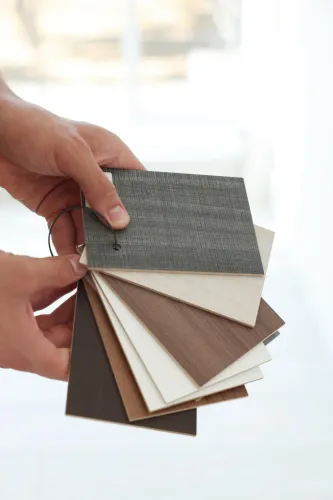
- Inspect samples for colour consistency, scratches, chips, warping, and visible seams.
- Use trivets and cutting boards; avoid placing hot cookware directly on the surface.
What Is an Acrylic Solid Surface Sheet Made Of?
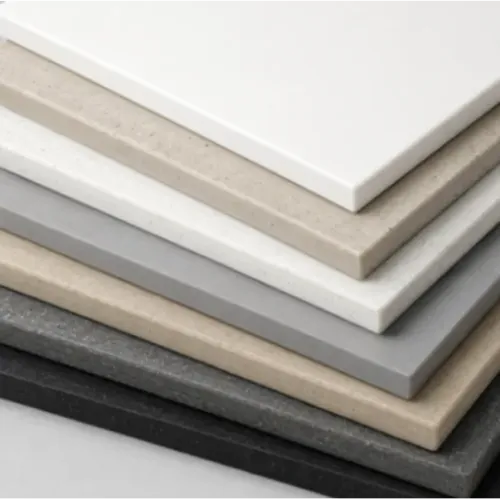
An acrylic solid-surface sheet is a homogeneous, mineral-filled polymer sheet, not a thin decorative skin over plywood or another core. Its acrylic solid surface composition combines acrylic resin, mineral filler such as alumina trihydrate, pigments and additives throughout the sheet.
Colour and pattern run through the material, so light scratches and dull areas can often be wet-sanded and refinished. It is not scratch-proof; deep burns or damage through the sheet can require replacement.
Acrylic versus polyester depends on resin chemistry and the manufacturer’s formulation:
| Option | Main composition | Practical difference |
|---|---|---|
| Acrylic | Acrylic resin, mineral filler and pigments | Usually the strongest choice for thermoforming, seamless joints and local refinishing |
| Polyester | Polyester resin, mineral filler and pigments | Often harder and more rigid, but less suited to tight bends and more vulnerable to chipping during fabrication |
| Acrylic-polyester blend | Both resin types with mineral filler and pigments | Balances workability, hardness, appearance and cost; performance varies by ratio |
A polyester or acrylic-polyester blend is not automatically inferior. Ask for the technical data sheet, permitted heating temperature, minimum bend radius and cooling procedure before approving a curved edge or waterfall. Also inspect sheets from one batch together: pigment distribution and pattern can change between production lots, making a later repair visibly different.
Which Sheet Specifications Matter Before You Order?
Compare each sheet against the countertop’s use, visible area and planned edge detail—not against a small colour chip alone. A 12 mm countertop sheet is commonly used for horizontal worktops; thinner sheets may be intended for vertical cladding or bonding to a stable substrate. Confirm the manufacturer’s permitted application before ordering.
| Specification | What to compare | What to confirm |
|---|---|---|
| Solid surface sheet thickness | 12 mm versus thinner panels | Horizontal worktop approval, support requirements and sink or hob cut-out limitations |
| Standard sheet sizes | Length and width against your layout | Whether long runs, L-corners or cut-outs will require seams, and where those seams will sit |
| Colour | Solid, veined or particulate designs | Colour batch variation, production-lot consistency and enough sheets for the complete installation |
| Finish | Matte, satin or high gloss | Cleaning demands, scratch visibility and whether local sanding will create a sheen difference |
| Translucency | Opaque versus light-transmitting material | Appearance over cabinets, illuminated areas and exposed edges |
| Edge options | Eased, radiused, built-up or thermoformed edges | Available edge thickness, minimum bend radius and the supplier’s heating and cooling procedure |
Inspect all sheets together and record each batch number before fabrication. Reserve material for a later splashback or repair; a replacement sheet bought years later may not match. Choose the finish with repairs in mind: abrasive touch-ups on dark or high-gloss colours can leave a visible halo.
How Will the Sheet Be Fabricated Into a Countertop?
Approve a dimensioned fabrication drawing before ordering the sheets. It should show seam locations, sink and hob cut-outs, backsplash joints, edge profiles, overhangs and finished dimensions, not just the colour and thickness.
Compare quotations on a fabricated basis. Require separate prices for:
- Template, transport and site protection
- CNC cutting or site cutting
- Seam preparation, colour-matched adhesive and solid surface seam finishing
- Edge build-up, polishing and shaped edges
- Sink machining, cut-out reinforcement, installation and sealing
A large sheet does not guarantee a joint-free countertop. Agree seam positions around long runs, L-shaped corners and sink zones; a visible joint under strong side lighting can be more distracting than slight pattern variation. Ask how the fabricator will mill, clamp, sand and finish each seam.
Specify the sink detail in writing: top-mounted, undermounted or an integrated solid-surface bowl. Confirm the cut-out radius, reinforcement around the opening and the support beneath it. Cabinets and rails must form a continuous, flat, level base; deflection and unsupported overhangs can crack seams or sink corners.
For a backsplash, approve its height, thickness, inside-corner treatment and joint locations. For a curved or waterfall edge, obtain the sheet-specific minimum bend radius, heating temperature, equipment and cooling method. “Thermoformable” alone does not approve a tight curve. Get permitted overhangs and support spacing from the manufacturer or fabricator in writing.
What Should You Inspect in the Sample and the Finished Installation?
Accept the countertop only after checking the material, batch records, substrate and finished surface in the conditions where it will be used. Photograph defects and record them on the delivery or installation sign-off.
1. Inspect every sheet together before fabrication. Look for colour or particulate differences, scratches, gloss variation, pinholes and warping. This solid surface sample inspection must include the intended production batch, not only a showroom sample.
2. Record each sheet’s batch or lot number and retain an offcut from that batch. Check the colour beside the actual window exposure, because direct sunlight can change or unevenly fade strongly pigmented colours. A future replacement from another lot may not match.
3. Examine the finished countertop from standing height and oblique angles under daylight and task lighting. Check visible seams, edge build-ups, sink and hob cut-outs, backsplash joints and polished areas for gaps, adhesive marks, haloing or uneven sheen.
4. Run your hand across the surface and inspect cut-out corners for chips, cracks and sharp transitions. Confirm that the selected matte or gloss finish has not been altered by sanding; a repair on a dark, high-gloss colour can remain visibly lighter.
5. Check cabinet levelling and support spacing before final acceptance. Rails and carcasses must form continuous, flat support, with no bowed areas, movement between cabinets or unsupported overhang beyond the written limit supplied by the fabricator or manufacturer.
Do not approve installation until cracks, open seams, movement or cut-out damage are corrected and documented.
How Much Care and Heat Protection Will the Countertop Need?
Acrylic solid surface resists everyday stains and water, but it is not a heatproof cutting board. Knives can scratch it, concentrated heat can discolor, craze or crack it, and aggressive chemicals can damage the finish.
Specify hot cookware and trivets in the kitchen handover. Never place a hot pan directly on the worktop, especially beside a sink, hob or cooktop cut-out; require a heat-resistant pad and a detail that stops a pan bridging a vulnerable edge.
Use a chopping board, wipe coffee, turmeric and oil promptly, and obtain the manufacturer’s approved solid surface cleaning and maintenance instructions instead of assuming every bleach, solvent or abrasive is safe.
A 12 mm sheet is commonly used for horizontal tops, while thinner sheets often need a stable substrate or vertical application. Ask V K Sanghvi or the fabricator to confirm the selected sheet’s permitted use, repair method and warranty conditions.
Put every cost and protection measure in the quotation:
- Sheet colour, finish, thickness, batch and fabricated countertop area
- Template, transport, cutting, seam adhesive, edge build-up, sanding and polishing
- Sink type, faucet holes, sealing method, access for replacement and integrated sink reinforcement
- Hob and sink cut-out reinforcement, edge clearances and site protection
- Thermoforming details: approved radius, heating temperature, equipment and cooling method
- Care kit, approved chemicals, repair process and exclusions for heat, scratches and stains
A light abrasive repair can leave a visible halo on dark or high-gloss finishes, so choose a finish you can maintain and repair without obvious sheen variation.
Related product
 | Merino Hanex Solid Surfaces Bring your creative ideas to life with Merino – Hanex Solid Surfaces, available at V. K. Sanghvi Pune, a trusted supplier in the region. View product → |
Frequently asked questions
What is an acrylic solid surface sheet made of?
It is a homogeneous, mineral-filled polymer sheet made from acrylic resin, alumina trihydrate or another mineral filler, pigments, and additives distributed throughout the sheet.
Which acrylic solid surface sheet specifications matter before ordering?
Confirm the sheet thickness, length, width, colour, pattern, finish, edge requirements, available stock, batch details, and the measurements required for your countertop layout.
How is an acrylic solid surface sheet fabricated into a countertop?
A fabricator cuts the sheet, forms sink and appliance cut-outs, joins sections with adhesive, shapes the edges, sands the surface, and installs the finished countertop with suitable support.
What should you inspect in an acrylic solid surface sample and finished installation?
Check the sample for colour, pattern, finish, scratches, chips, warping, and repair marks. On the finished countertop, inspect seams, edges, cut-outs, alignment, level, and surface defects.
How much care and heat protection does an acrylic solid surface countertop need?
Clean spills promptly with a soft cloth and suitable cleaner, use cutting boards, and place hot pans on trivets rather than directly on the countertop.