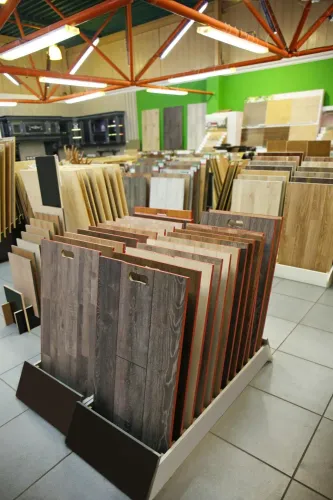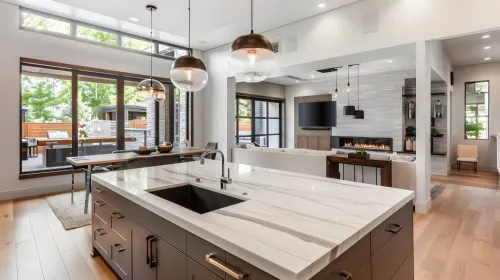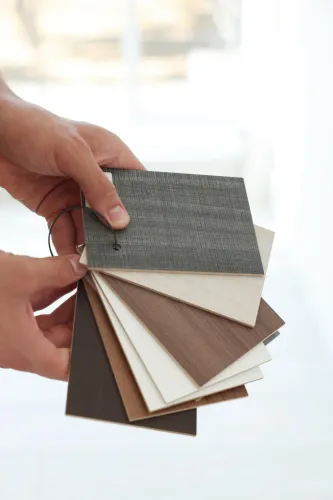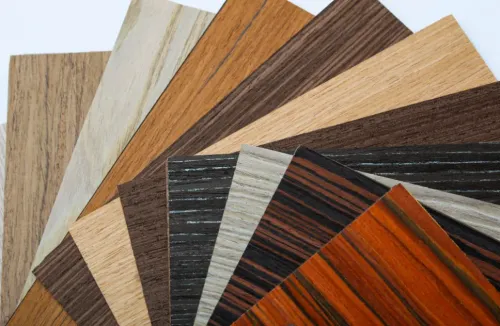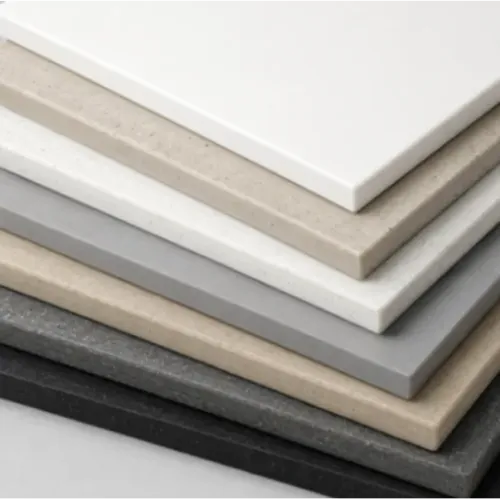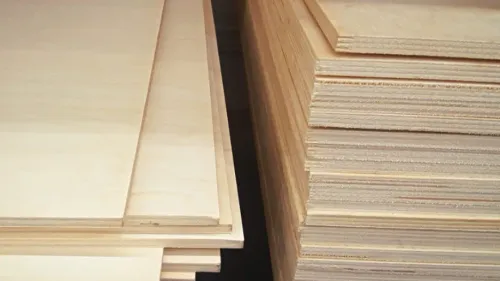

A furniture laminate decision involves more than choosing a colour from a catalogue. You must match the surface to the furniture’s contact level, moisture and heat exposure, substrate, edge detail, fabrication method, and project schedule. By the end, you will have a practical brief for comparing laminate options with a distributor and approving the complete furniture assembly.
Key takeaways
- Define panel use, dimensions, exposure, cleaning, and maintenance before selecting laminate.
- Match surface texture and laminate type to wear, moisture, glare, and touch.
- Coordinate laminate thickness with the substrate, edge treatment, and adhesive system.
- Confirm samples, quantities, batch continuity, and stock before releasing the furniture order.
Turn the furniture brief into a laminate specification
Give the distributor a measurable furniture brief, not only a reference image. Furniture laminate selection depends on how each panel will be used, fabricated, installed, and maintained.
1. Name the furniture and surface position: wardrobe shutter, kitchen worktop, office desk, reception counter, vanity, or retail fixture; specify horizontal, vertical, postforming, or high-impact use.
2. Provide panel dimensions, substrate, required laminate thickness, sheet size, edge treatment, and pressing method. State whether edges are straight, lipped, rounded, factory-formed, or site-formed.
3. Approve the appearance from a physical sample under the project’s intended lighting. Record the laminate code, laminate finish, laminate colour, laminate texture and thickness, sheet orientation, and batch or lot number where available. A screen image or small printed swatch cannot show gloss, grain direction, or texture accurately.
4. Describe performance demands, including expected abrasion, scratches, impact, stains, cleaning chemicals, moisture, and heat. For kitchens and vanities, identify sink cut-outs, joints, screw holes, and exposed edges; the laminate face is not waterproof, and MDF or particleboard can swell without sealing.
5. State any fire requirement by its test classification and complete assembly. “Fireproof laminate” is insufficient because substrate, adhesive, joints, thickness, ventilation, and installation affect the result.
6. Give the required quantity, delivery date, site location, and continuity needs. Ask the distributor to confirm stock, avoid mixed lots, and advise flat, dry, sun-protected storage and acclimatisation before pressing.
Match the finish and laminate type to the furniture use
Wardrobe doors and shutters usually suit matte laminate, super matte laminate, or woodgrain laminate because these finishes reduce glare and hide fingerprints. Choose high-gloss laminate or an acrylic surface for a sharper contemporary look, but specify a very flat MDF or plywood panel: gloss exposes waviness, scratches, and uneven joints.
| Furniture use | Suitable surface and material | Selection point |
|---|---|---|
| Wardrobes | Matte, super matte, woodgrain laminate | Conceals handling marks; textured laminate finishes need more cleaning in deep grooves |
| Shutters | High-gloss laminate, acrylic surface, solid colour laminate | Use physical samples under room lighting; gloss needs accurate panel preparation |
| Desks | Matte laminate or fine textured laminate | Reduces glare and hides everyday abrasion better than high gloss |
| Counters | Postforming laminate for rounded edges; compact laminate for heavy use | Confirm bending direction, minimum radius, forming temperature, and impact requirement |
| Vanities | Compact laminate or decorative laminate on moisture-resistant MDF | Seal cut-outs and edges around basins; compact laminate suits exposed, wet conditions |
| Retail fixtures | Solid colour, woodgrain, high-gloss, or textured laminate | Match the finish to traffic, cleaning frequency, and display lighting |
Use standard decorative laminate over a stable MDF, particleboard, or plywood substrate; it is not structural. Compact laminate provides a self-supporting panel, while veneer and painted furniture offer different repair, colour-matching, and maintenance trade-offs. Record the laminate code, finish, orientation, and batch or lot so replacement shutters do not visibly diverge from the original.
Coordinate thickness, substrate, edge detail, and adhesive
The correct laminate grade follows the panel it must cover and the edge it must survive, not the face colour alone. Set laminate thickness against the panel build-up, available tooling, and finished edge: a thin decorative sheet suits a flat furniture face, while a thicker grade suits impact-prone edges.
Compact laminate panels can provide self-supporting construction; ordinary decorative laminate cannot replace a structural core.
Choose the substrate before approving the sheet:
- MDF substrate provides a smooth, dense base for painted-looking finishes and detailed machining.
- Particleboard substrate offers an economical core, but exposed cut edges, screw holes, sink cut-outs, and joints need sealing. A moisture-resistant board reduces swelling risk; it is not waterproof.
- Plywood substrate suits applications needing stronger screw holding or better resistance to movement, provided the face is flat enough for pressing.
Specify the laminate adhesive, adhesive spread, pressing pressure, and substrate flatness together. A good sheet can lift, blister, or telegraph board defects when the bond line or pressing conditions are wrong.
| Option | Edge requirement | Selection check |
|---|---|---|
| Flat-lay laminate | Straight, separately edged profile | Confirm the sheet, core, and edge band finish at the same thickness |
| Postforming laminate | Rounded or returned edge | Confirm bending direction, minimum bend radius, forming temperature, and factory- or site-formed fabrication |
| Compact laminate panels | Exposed or finished edges | Confirm whether the edge is machined, polished, or left visible, and match tooling to the panel thickness |
Use the distributor to control samples, stock, quantities, and continuity
Before ordering, ask the Merino laminates distributor to turn the approved design into a sheet plan, not just confirm a product code. The check should cover the visible sample, stock position, fabrication method, and future replacement risk.
1. Approve colour and texture from a physical laminate sample under the project’s actual lighting. Record the code, finish, sheet orientation, and available lot details; a screen image can hide gloss and texture differences.
2. Check laminate sheet availability against the programme. Confirm the laminate lead time, reserve sheets for damage and later repairs, and avoid mixing lots where shade continuity matters.
3. Complete the quantity calculation from panel dimensions, grain direction, joints, and nesting. Confirm whether woodgrain sheets run vertically or horizontally, then sequence adjacent doors and panels before cutting.
4. Match the grade to the application: horizontal, vertical, postforming, or high-impact. For rounded edges, verify bending direction, minimum bend radius, forming temperature, and whether forming happens at the factory or on site.
5. Confirm the substrate, adhesive, press method, open time, and curing conditions before approval. Contact adhesive, cold pressing, and hot pressing do not give identical process control.
6. Inspect storage and acclimatisation plans. Keep sheets and boards flat, dry, and out of direct sun before pressing; moisture or heat can create flatness problems that look like product defects.
V K Sanghvi can support this coordination by checking stock and matching replacement sheets to the recorded code, finish, orientation, and batch. Get those details in writing before fabrication starts.
Related products
 | laminates ₹1780 Merino High-Pressure Laminates are made of absorbent kraft paper impregnated with melamine and phenolic resins as well as specially chosen decorative... View product → |
 | laminates ₹5300 Welcome to Luvih – where opulence meets style. Explore Super Matte surfaces, an ode to timeless elegance. View product → |
Verify performance through the complete furniture assembly
Test a finished sample panel, not the laminate sheet alone. Build it with the specified substrate and adhesive, then expose the completed furniture assembly to the conditions it will face.
Record storage and acclimatisation conditions before pressing. Material at the wrong moisture level can warp, blister, or open at the edges after installation.
Use this assembly check:
- Confirm whether the project requires horizontal and vertical laminate use. A cabinet-door grade is not automatically suitable for a heavily used worktop or reception counter.
- Match laminate thickness to the substrate, edge profile, and tooling. An incompatible thickness can crack at a bend or leave an exposed edge vulnerable to impact.
- Seal cut edges, screw holes, joints, and sink cut-outs before water reaches the core. “Water-resistant” is not “waterproof” for wet-area furniture laminate.
- Run laminate testing on the completed panel for scratch resistance and stain resistance, using the cleaning products and objects the furniture will encounter.
- For commercial furniture laminate, repeat the check at high-use points and inspect edges after impact and repeated cleaning.
A fire-retardant laminate does not make a fire-rated furniture assembly. Request the required classification and test report for the exact substrate, adhesive, thickness, joints, ventilation, and installation; changing the construction changes the result. Reject a rounded profile until the grade, bending direction, minimum bend radius, forming temperature, and factory- or site-forming method are confirmed.
Frequently asked questions
What information should you give a laminate distributor for a furniture project?
Provide panel dimensions, furniture use, location, expected wear, moisture exposure, cleaning method, finish preference, edge detail, quantity, and installation schedule.
How do you choose a laminate finish and type for furniture?
Match the finish to touch, glare, scratch visibility, cleaning, and design requirements. Select the laminate type according to the panel’s exposure and use.
Why do substrate, thickness, edge detail, and adhesive matter in laminate selection?
They determine panel stability, bonding, edge durability, fabrication quality, and the finished furniture’s resistance to lifting, cracking, and moisture entry.
What should you verify before ordering furniture laminates?
Check physical samples, sheet dimensions, required quantities, available stock, batch or shade continuity, replacement needs, and delivery timing.