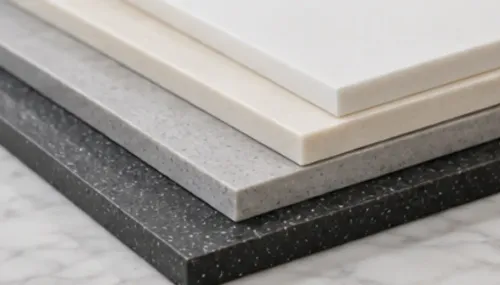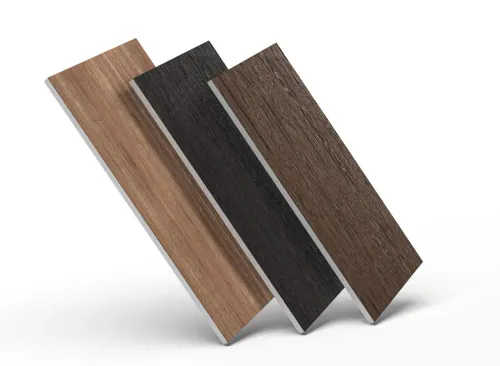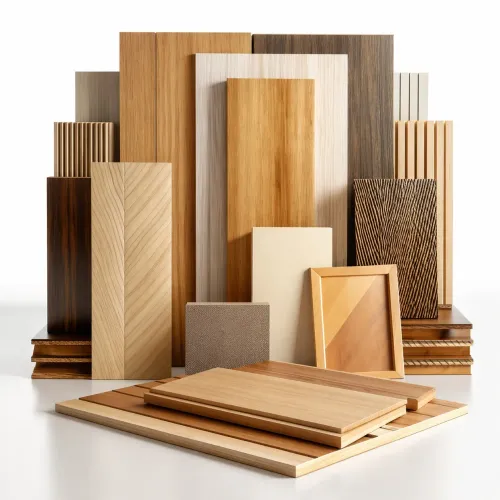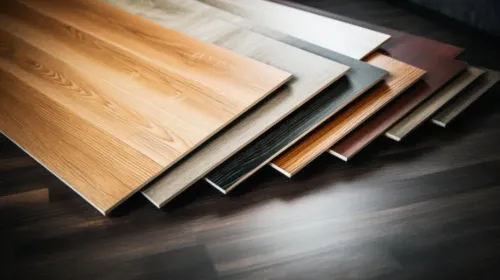
A typical interior project may require plywood, laminates, decorative surfaces, solid surface sheets, and other supporting materials. When each item is selected independently and purchased at different stages, inconsistencies and procurement delays can become more likely.
For homeowners, designers, contractors, and furniture professionals in Pune, planning all interior products as part of one material schedule can make execution considerably more organised.
Start With Approved Drawings
Material procurement should ideally follow finalised drawings rather than rough assumptions.
Once furniture dimensions and designs are approved, the project team can identify the materials required for each area. This helps prevent excessive ordering while reducing the risk of discovering missing materials during fabrication.
A basic material schedule may record:
- Furniture unit
- Base material
- Decorative surface
- Product code
- Finish
- Quantity
- Hardware requirement
- Procurement status
Even a straightforward schedule can improve communication between the client, designer, supplier, and fabricator.
Coordinate Materials Visually
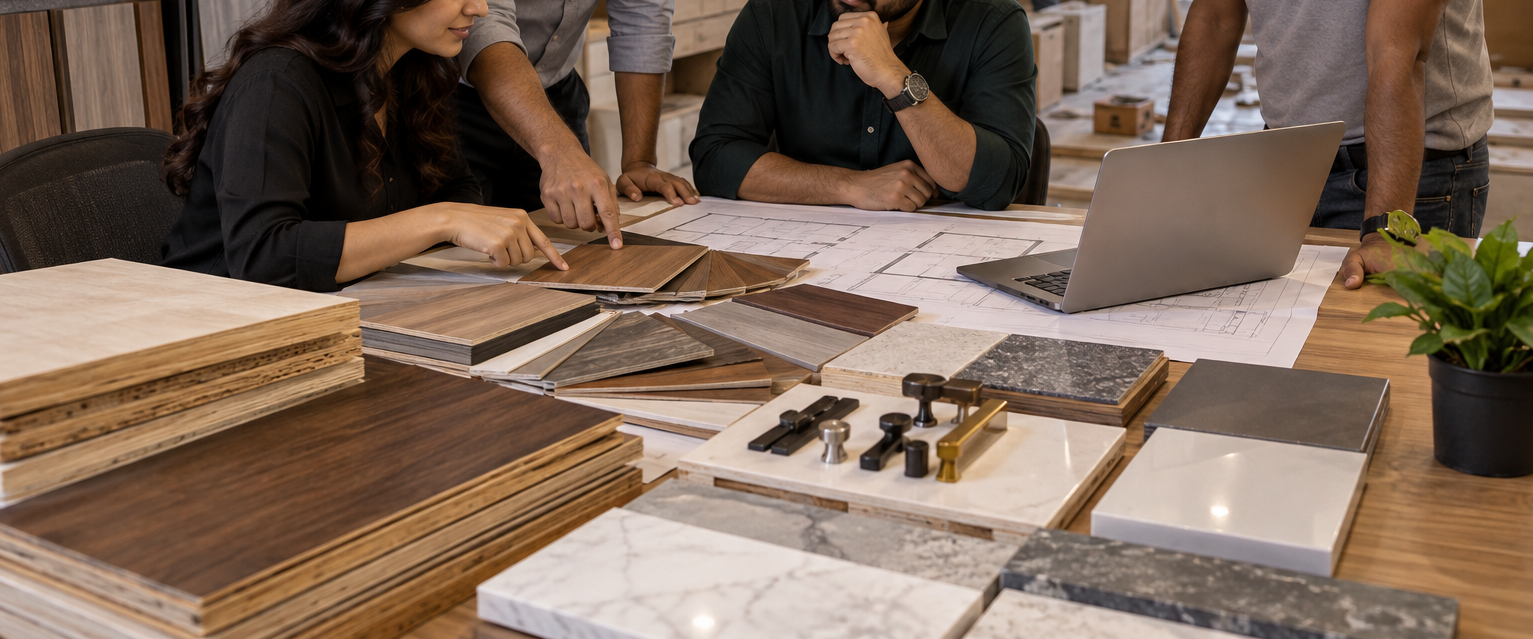
Interior products rarely appear independently. A laminate may sit beside a countertop, plywood forms the base beneath decorative finishes, and hardware contributes to the overall appearance.
Samples should therefore be evaluated together whenever possible.
For example, a warm woodgrain laminate may look attractive by itself but clash with a particular floor or countertop. Reviewing the complete combination before ordering reduces such mismatches.
Consider the Sequence of Work
Not every material is required on the first day of a project. Base materials may be needed before certain decorative or finishing products.
Understanding the fabrication sequence helps contractors determine when each item should be available. This prevents unnecessary site storage while ensuring critical materials do not arrive too late.
Consolidate Information Before Buying
Working with a provider that handles multiple interior material categories can make discussions easier because product requirements can be reviewed together.
V K Sanghvi caters to interior-product requirements in Pune for customers ranging from individual homeowners to trade and project buyers. Instead of approaching procurement as a series of isolated purchases, customers can organise selections according to the overall furniture and interior plan.
Allow for Practical Changes
Interior projects occasionally change after site measurements, client approvals, or fabrication reviews. Maintaining accurate product codes and quantity records makes these adjustments easier to manage.
For projects in Pune and across Maharashtra, coordinated material planning can save considerable effort. The goal is not merely to purchase every product from one place; it is to make sure the materials selected for different parts of the project actually work together in terms of design, application, quantity, and execution schedule.
Keywords