A Greenlam or Merino quote is not comparable until you match the exact sheet specification, usable coverage, performance classification and delivered cost. By the end, you will have a practical way to compare samples, choose the right surface for each application and verify that the dealer supplies what you selected.
Key takeaways
- Record the product code, thickness, size, finish, texture and core colour.
- Compare usable cost after wastage, edging, cutting, transport and installation.
- View physical samples under the project’s actual lighting before ordering.
- Verify batch details, quantity, condition and warranty terms before delivery.
How do you compare the exact laminate specification and usable cost?
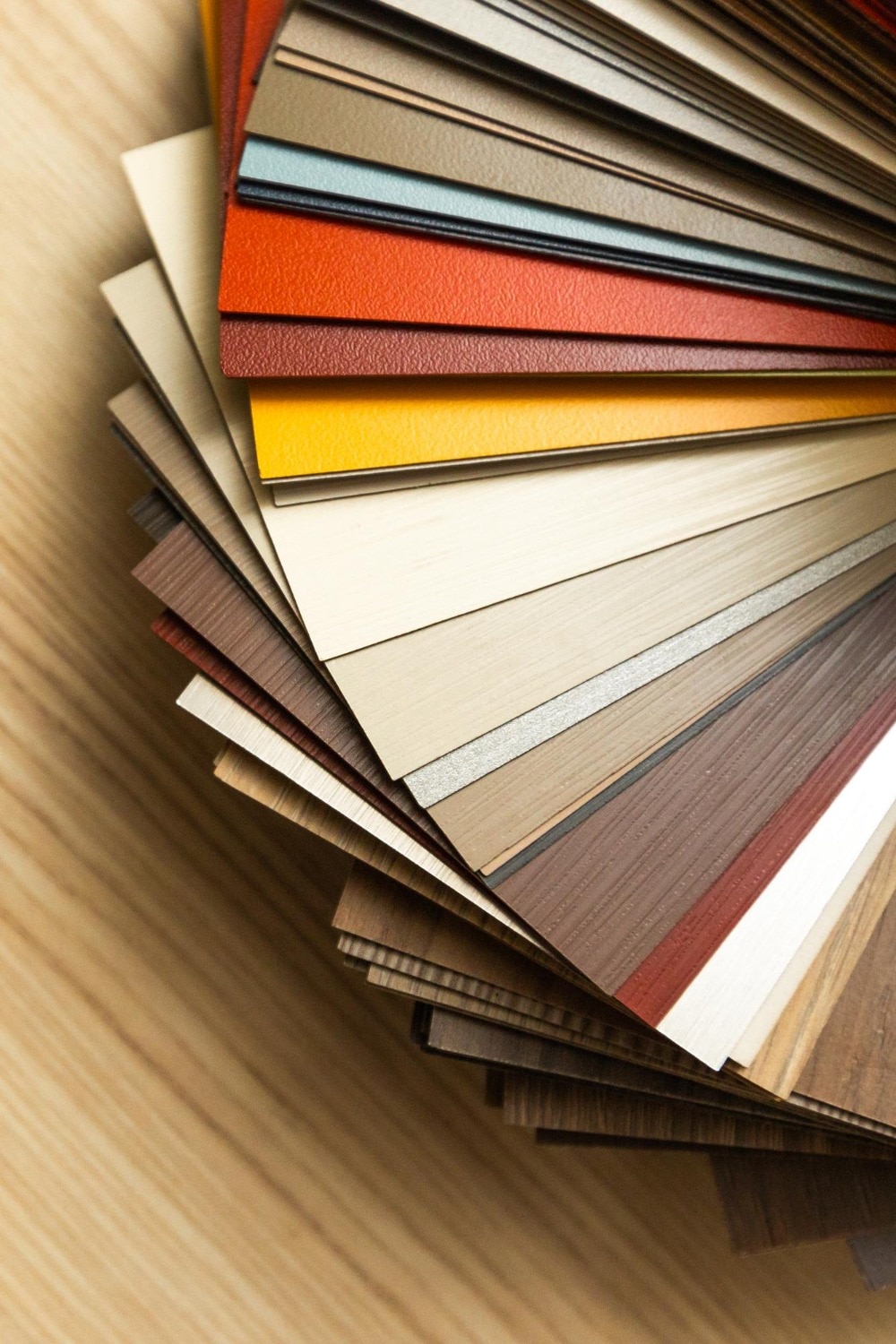
Compare the exact product code and construction, not “Greenlam” versus “Merino” or a colour name. Record the collection, product code, sheet thickness, standard sheet size, finish code, surface texture, core colour, grain direction and application category. This sheet thickness comparison prevents a 0.8 mm or 1.0 mm general-purpose HPL from being confused with compact laminate.
| Type | Construction | Check before specifying |
|---|---|---|
| General-purpose HPL | Decorative surface bonded to a substrate | Confirm it is intended for the proposed vertical or horizontal use |
| Postforming HPL | Grade designed for heating and wrapping around a suitable radius | Confirm the radius and postforming suitability before rounding a countertop or drawer edge |
| Compact laminate | Self-supporting layered panel | Compare its thickness, machining needs and fixing method separately |
A standard general-purpose sheet is not automatically suitable for heating and wrapping around a radius. Treat an acrylic solid-surface sheet or plywood as a different material system, not a substitute HPL.
Compare price per usable square metre. An 8 × 4 ft sheet provides about 2.97 m², or 32 sq ft, before cutting waste; grain direction, layout, offcuts, sheet size and damaged edges can raise the installed cost.
Ask a Greenlam dealer in Pune or Merino laminates dealer in Pune to separate:
- Laminate price, GST, freight and unloading
- Cutting, edge-banding or fabrication charges
- Delivery lead time and minimum order
- Return rules for opened sheets
The quote must state the exact code, thickness, size, quantity and application, so a cheaper substitute cannot pass as commercially equivalent.
Which performance and material choice suits each part of the project?
Match each surface to contact, moisture, impact and repair conditions; one finish rarely suits every room. Compare stain, scratch and impact resistance, edge behaviour and expected service life against the substrate and adhesive.
Use this decision frame:
| Area | Compare first | Suitable direction |
|---|---|---|
| Kitchen shutters | Stains, heat, edge chips and cleaning | Standard HPL on sealed substrate; verify adhesive and edge treatment |
| Wardrobes | Scratches, repeated opening and edge wear | HPL or super-matte Luvih when touch feel and low reflection justify the cost |
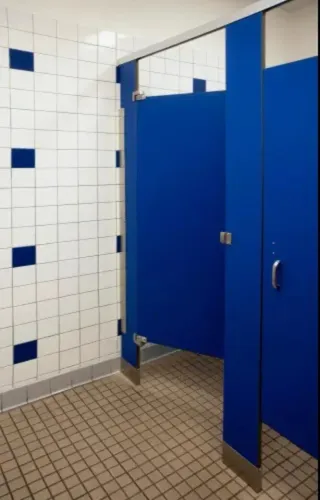
| Office workstations | Abrasion, spills, impact and service life | HPL matched to the substrate, with durable edge protection |
| Reception desks and retail fixtures | Repeated cleaning, abrasion and chipped corners | Higher-performing HPL or acrylic solid surface where seamless repair matters |
| Wall panelling | Colour consistency, grain direction and seam planning | HPL, veneer or paint; impact resistance may matter less than visual continuity |
Ask for the applicable EN 438 classification and test method, with wear, impact, stain, dimensional-stability and heat-resistance results. “Heavy duty” and “scratch resistant” are marketing terms, not comparable proof.
A laminate fire claim does not rate a completed wall, door or furniture assembly. Request the report for the proposed substrate, adhesive, joints, thickness and mounting method. Choose acrylic solid surface when seamless joints, repairable polishing or thermoforming matter; compare sheet thickness, colour-through consistency, approved joint adhesive, seam visibility and fabrication quality.
Choose veneer for natural grain and refinishing, or paint when colour flexibility outweighs laminate abrasion resistance.
How should finish, lighting and physical samples affect the decision?
Compare finishes by the marks they reveal and the cleaning they demand, not by appearance alone.
| Finish | Marks and defects revealed | Cleaning consideration |
|---|---|---|
| matte laminate | Hides reflections, dust glare and minor substrate unevenness; shows grease patches | Wipe grease promptly to prevent visible smears |
| super-matte | Reduces reflection and touch visibility; can still show oily fingerprints | Use the approved soft cloth; do not assume low sheen means maintenance-free |
| gloss finish | Highlights fingerprints, dust, swirl marks and uneven substrates | Requires frequent wiping for a clean appearance |
| textured laminate | Deep texture conceals light scratches but holds dust in grooves | Grooves need deliberate wiping rather than a quick pass |
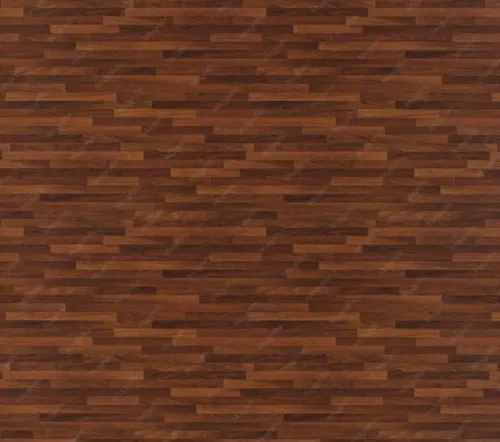
| woodgrain | Grain can disguise small marks; joints and direction remain prominent | Check grain continuity before cutting and installation |
| stone-look | Variation can hide marks, but seams and colour shifts attract attention | Compare several sheets before approving the layout |
| anti-fingerprint | Reduces visible touch marks without eliminating them | Clean normally; grease and streaks still require removal |
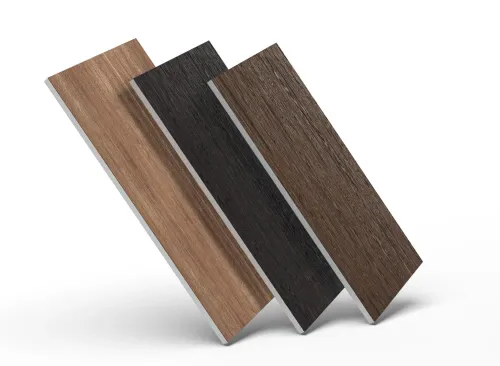
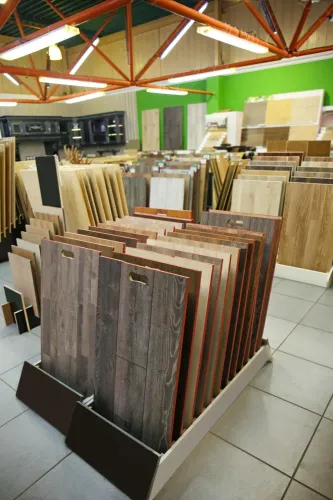
View the same physical sample in daylight, warm artificial light, cool white light and the project’s actual installation lighting. Catalogue images and screens can shift colour, gloss and texture.
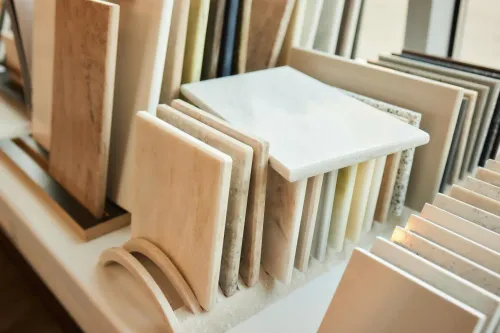
Place samples beside the intended edge band, plywood or other substrate. Inspect them at normal viewing distance and under raking light, then rub the surface with clean and lightly soiled fingers and wipe it with the proposed cleaning cloth.
Check fingerprints, streaks, scratch visibility, edge appearance, seam contrast and colour variation. For woodgrain or stone-look designs, compare multiple sheets or a larger sample; a small swatch cannot show repeat, grain direction or joint visibility.
What should you verify with a Greenlam or Merino dealer before delivery?
1. Before delivery, give the Greenlam or Merino dealer a written schedule listing brand, collection name, exact product code, finish code, thickness, sheet size, colour, texture, application category and quantity. Match it against the shade card, invoice description, carton label and sealed packaging; a colour name alone cannot prevent a code or construction substitution.
2. Ask for the batch number or lot number and keep it with the project record. Do this especially when multiple deliveries will cover visible surfaces, because shade, gloss and texture can vary between production batches and later sheets may not match earlier installations.
3. Complete a laminate stock inspection before accepting the delivery. Check every sheet for flatness, dryness, direct-sunlight exposure, point loading, chipped corners, scratches, warping, moisture exposure and code or lot mismatch. Photograph labels and defects before cutting; after fabrication begins, proving that damage existed at delivery becomes difficult.
4. Confirm whether the quoted price is ex-warehouse or delivered, who unloads the material, the delivery scope and lead time, minimum order, cutting charges and return policy for opened sheets.
A Pune supplier such as V K Sanghvi adds value when it helps verify these details, stock condition and delivery responsibility rather than merely naming a brand.
Related products
 | laminates ₹1780 Merino High-Pressure Laminates are made of absorbent kraft paper impregnated with melamine and phenolic resins as well as specially chosen decorative... View product → |
 | laminates ₹5300 Welcome to Luvih – where opulence meets style. Explore Super Matte surfaces, an ode to timeless elegance. View product → |
How do you compare installation risk, repairability and warranty value?
Installation risk, repairability and warranty value depend on the complete assembly, not the decorative sheet alone. Compare the substrate, adhesive, fabrication quality and installation method, then check whether the laminate suits vertical furniture, horizontal worktops, postforming or wall panelling.
| Option | Failure or repair response | What to verify |
|---|---|---|
| HPL | A chipped corner or deep scratch often requires replacing the panel; failed joints expose fabrication errors. | Recommended adhesive, edge treatment and application category. |
| Acrylic solid surface | A correctly fabricated surface can be sanded and polished; seams depend on approved joint adhesive and workmanship. | Sheet thickness, colour-through consistency, thermoformability, seam visibility and polishing method. |
| Veneer | A stained or scratched area can be refinished, but matching grain and colour takes skilled work. | Finish system, repair process and expected service life. |
| Paint | A damaged surface can be recoated with colour-matching work, though repeated repairs may show variation. | Substrate preparation, coating system and recoating conditions. |
For plywood backing, record the standard and grade printed on the panel or certificate. IS 303 plywood covers general purposes; IS 710 marine plywood is a different technical grade. Compare core construction, face quality, thickness, screw-holding behaviour and edge sealing, especially for kitchens and wet-area furniture where unsealed cut edges can swell.
Read the warranty against the actual installation. Ask whether it covers:
- The specified application, substrate, adhesive, cleaning chemicals and installation conditions.
- Surface defects, delamination, substrate swelling, poor joints and fabrication errors.
- The remedy, such as replacement, repair, refabrication or refund.
Inspect every sheet for damage, warping, moisture and code mismatch before cutting.
Frequently asked questions
How do you compare the exact laminate specification and usable cost?
Record the collection, product code, sheet thickness, standard sheet size, finish code, surface texture, core colour, grain direction and application category. Compare usable cost after accounting for cutting waste, matching, edging, transport and installation.
Which laminate performance and material choice suits each project area?
Match the material to the location and use. Compare general-purpose HPL with compact laminate, and check resistance to moisture, impact, heat, abrasion and cleaning chemicals before selecting a product.
Why should you compare laminate finishes under physical project lighting?
Screens and small images can hide texture, gloss variation and colour shifts. View full-size physical samples beside the intended flooring, paint, hardware and lighting before approving the finish.
What should you verify with a Greenlam or Merino dealer before delivery?
Confirm the exact product code, thickness, sheet size, finish, quantity, batch details, packing condition, delivery schedule and return or replacement process. Inspect the sheets for damaged corners, scratches, bowing and shade variation.
How do installation risk, repairability and warranty affect laminate value?
Compare cutting requirements, grain matching, substrate preparation, joint visibility and replacement access. Read the written warranty for covered defects, exclusions, claim documents and the party responsible for installation.